Clean Labels. Honest Herbs

Gokshura (Tribulus terrestris): Traditional Ayurvedic Herb, Uses, and Whole Herb Formulations
Gokshura (Tribulus terrestris) is a traditional Ayurvedic herb known for its long botanical history. Learn about whole herb powder, sourcing, and clean-label formulations.
S. Sooriyanaranyan
1/5/20262 min read
What Is Gokshura (Tribulus terrestris)?
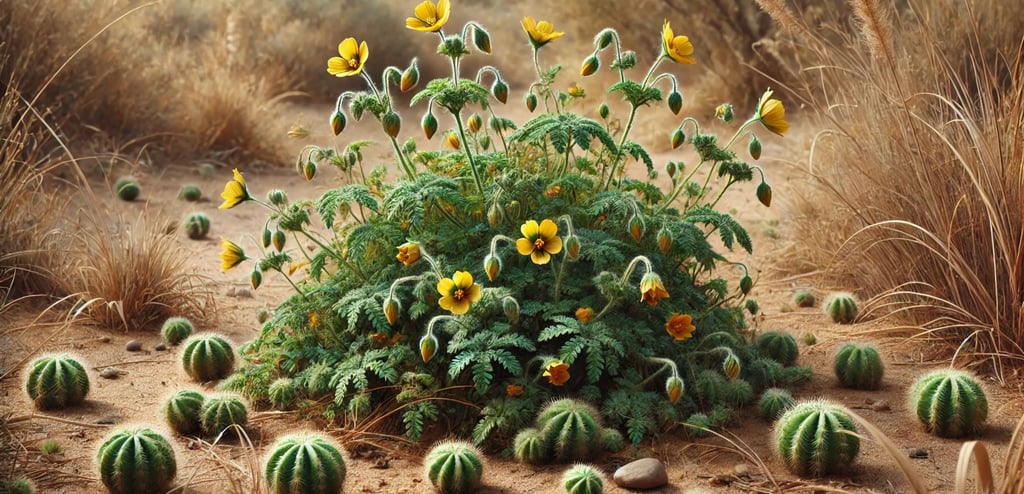
Gokshura, scientifically known as Tribulus terrestris, is a flowering plant traditionally referenced in Ayurvedic literature. The plant is characterized by small green leaves, yellow flowers, and spiny fruits. In classical texts, Gokshura was included as part of broader herbal preparations rather than used as a single isolated compound.
Today, Gokshura is cultivated in multiple regions and commonly prepared in powdered or compressed forms for modern use.
Botanical Background of Tribulus terrestris
Tribulus terrestris belongs to the Zygophyllaceae family and grows in warm, dry climates. Different parts of the plant—including the fruit and aerial portions—have historically been used in traditional systems. Botanical identification and sourcing are important considerations, as plant quality can vary significantly depending on growing conditions and harvesting methods.
Understanding the botanical origin of herbs is an important first step when evaluating herbal products.
Gokshura in Traditional Ayurvedic Practices
In Ayurveda, herbs like Gokshura were traditionally used as part of multi-herb formulations rather than standalone substances. Preparation methods emphasized balance, whole-plant usage, and minimal processing. This traditional approach differs from many modern formulations that rely on concentrated extracts.
Historical references to Gokshura are educational in nature and reflect traditional practices rather than modern medical use.
Whole Herb Powder vs Extracts
One of the most important distinctions in modern herbal products is the difference between whole herb powder and extracts.
Whole herb powder uses the plant material in its natural form
Extracts concentrate selected compounds and remove others
Many people prefer whole-herb formulations because they preserve the natural composition of the plant without chemical concentration or isolation. Whole-plant approaches align more closely with traditional preparation methods found in Ayurveda.
Why Clean Label and Certifications Matter
Quality and transparency are essential when choosing herbal products. Certifications such as USDA Organic, India Organic (NPOP), and BioAgriCert help verify that herbs are grown and processed according to recognized agricultural and handling standards.
Clean-label herbal products typically:
Use minimal ingredients
Avoid artificial additives
Emphasize traceable sourcing
Follow good manufacturing practices
These factors help consumers make informed decisions when exploring traditional herbs.
Modern Forms of Gokshura
Today, Gokshura is available in various formats including powders, capsules, and caplets. Caplets are often preferred for their smooth finish and ease of handling, especially when produced using plant-based binders and minimal processing.
When reviewing a product, it’s helpful to check:
ingredient lists
formulation style (whole herb vs extract)
manufacturing standards
sourcing transparency
Gokshura at GeVica Biosciences
At GeVica Biosciences, our approach focuses on whole herb formulations, clean labeling, and transparent sourcing. Our Gokshura product is prepared using whole herb powder without extracts or unnecessary additives, aligning with traditional preparation principles.
Terms & Policies
©GeVica2025. All rights reserved. Operated by GenVexa Biosciences LLC, Plano, Texas, USA
Contact us
Gevica Biosciences
Customer care: +1 (469) 618-8255
Support@GeVica.com
1520 Preston Road, Apt 1213, Plano TX 75093
No Hype, No Gimmicks, Just Herbs.